VisionCamera 3.0 released with an Android Camera2 rewrite
VisionCamera 3.0.0 was released on 2023-09-01. This major version includes a full rewrite of the Android codebase and a large refactor on iOS. The author says the goal was to make the library more stable, more flexible and more performant. Limited support for V2 is planned on the v2 branch.
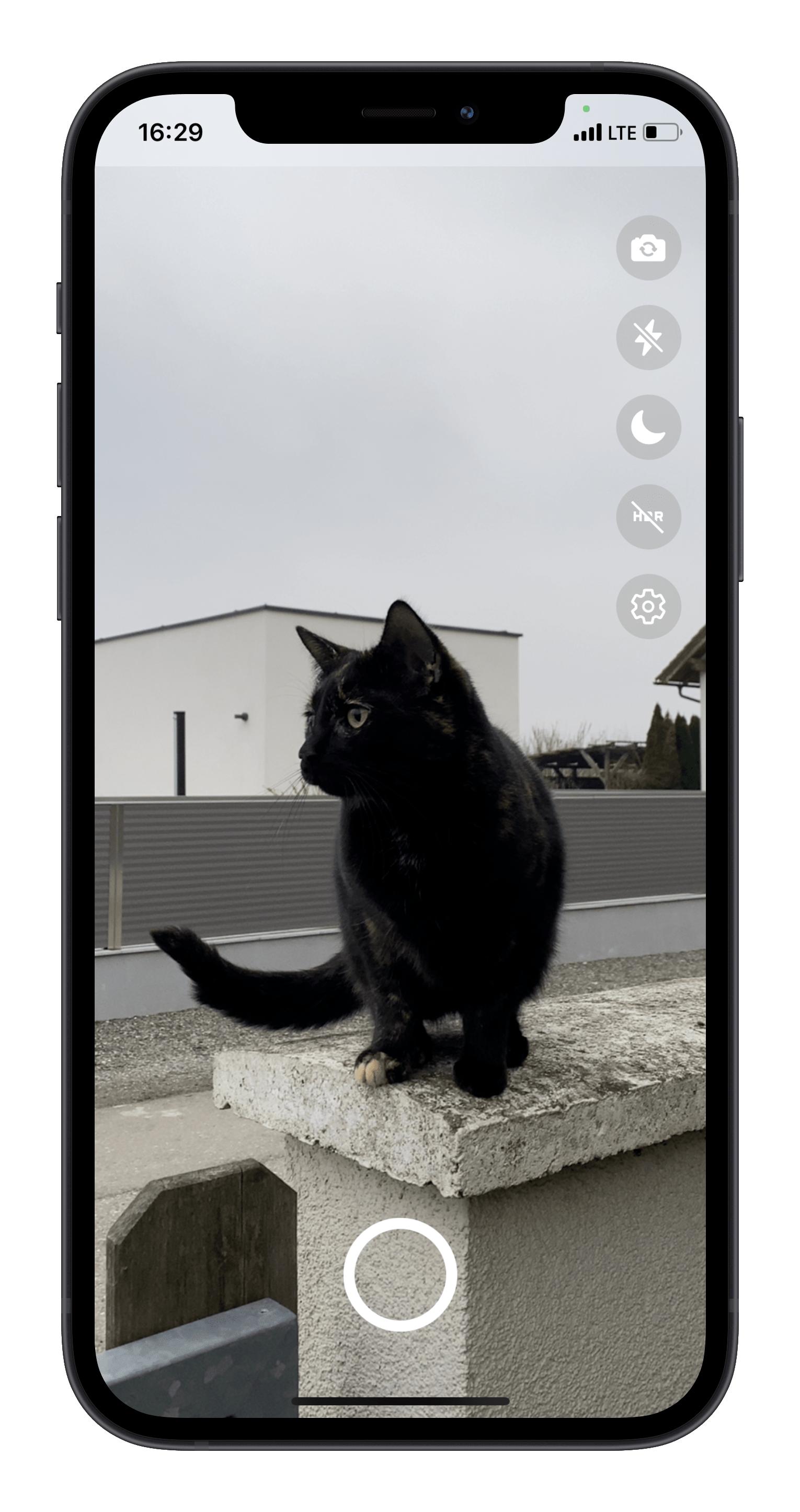
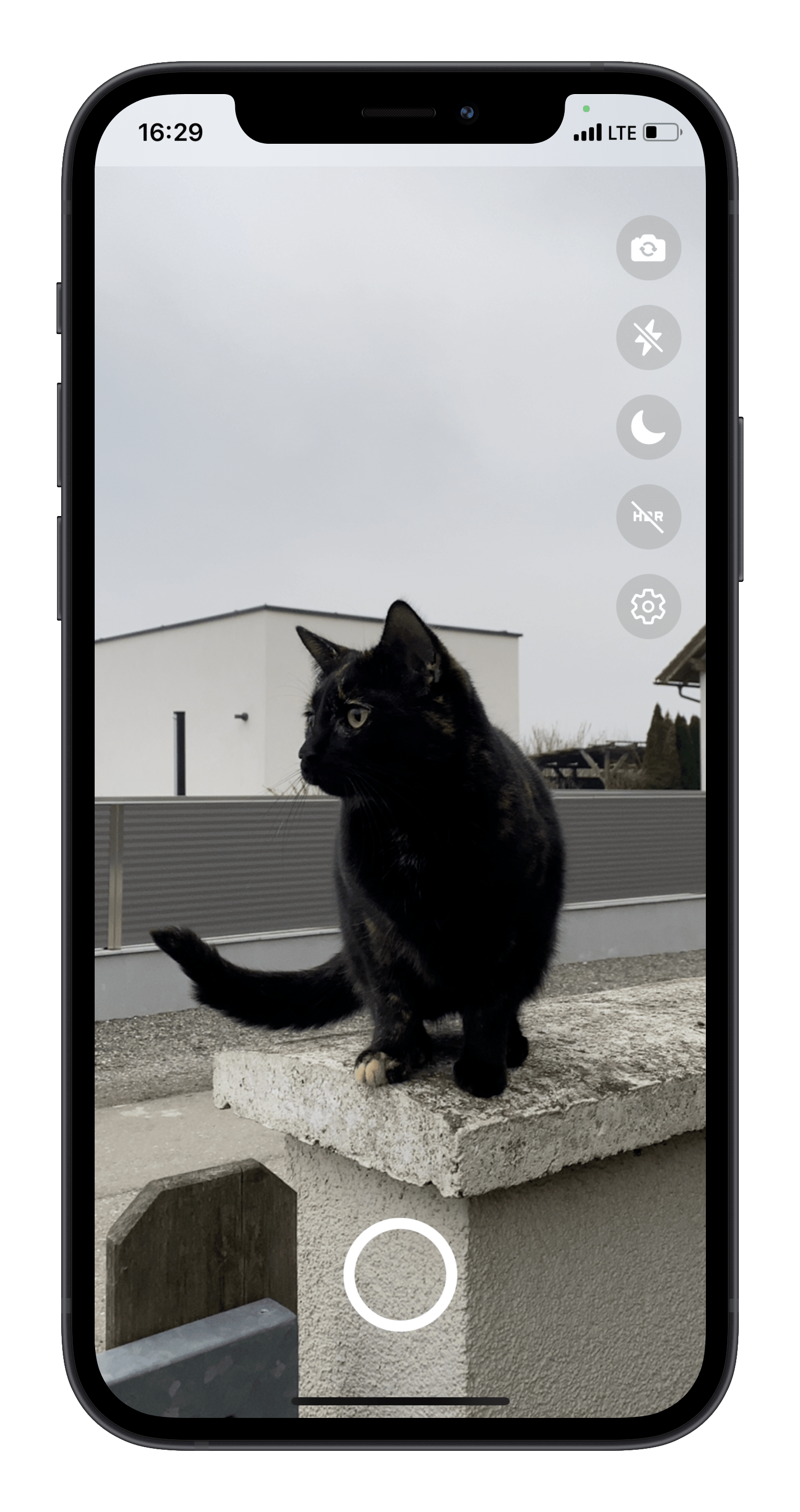
Android: CameraX to Camera2
Versions 1 and 2 used CameraX on Android. V3 now uses the lower-level Camera2 library. According to the release notes, this change brings:
- working multi-cams ("fish-eye" zoom)
- faster startup and better overall performance
- correct
videoWidth/videoHeightandphotoWidth/photoHeightin device formats - 60 FPS cameras
- greater stability
- a simpler build setup that no longer depends on
androidx.camera:+, which closed about 130 issues - faster photo capture
Some features do not work on Android yet: Flash, Orientation and Focus. Focus itself works, but its coordinate system is wrong until Orientation is supported.
GPU video pipeline
On Android, a custom OpenGL video pipeline written in C++ renders camera frames to the Frame Processor and Video Recorder output surfaces. Because only one output is attached to the Camera, the supportsParallelProcessing prop has been removed because parallel processing is now always supported, and flipping the Camera now works on Android.
New camera features
- A
pixelFormatprop for streamingrgb,yuvornativeframes. - An
enableShutterSoundoption fortakePhoto(). - New Frame properties:
frame.toByteArray(),pixelFormat,orientation,isMirroredandtimestamp. - New Camera Device properties:
sensorOrientationandhardwareLevel. - Video recording in
h264orh265(HEVC). minFps/maxFps, which replaceframeRateRanges.
Frame Processors
Frame Processors now use react-native-worklets-core instead of react-native-reanimated. This change has several effects:
- JSI HostObjects and HostFunctions, such as react-native-fast-tflite models, can be used inside a Frame Processor.
- The build setup is simpler.
- Frame Processors are now fully synchronous.
- Two new APIs are available:
runAsync(..)andrunAtTargetFps(.., fps).
Frame Processor Plugins are now object-oriented and accept options from JS:
const plugin = VisionCameraProxy.getFrameProcessorPlugin('example_plugin')

export function examplePlugin(frame: Frame) {
  'worklet'
  return plugin.call(frame)
}
Skia removed
Skia support, which allowed drawing onto Frames in realtime, was available up to V3 RC.9. It has been removed because maintaining two separate pipelines had become too complex. The details are in PR #1740.
The full changelog also lists RN 0.72 support, a minimum iOS version of 12.4, an enableZoomGesture implementation on Android, and many bug fixes.
Links
Source: github.com